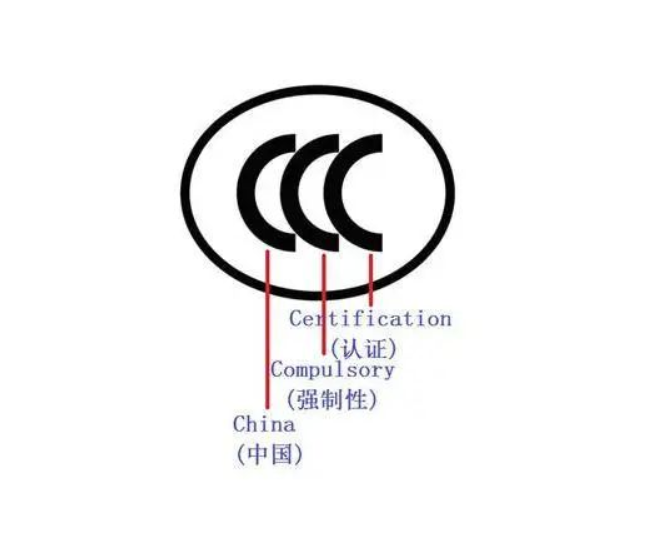
With the rapid development of the Internet of Things and security industry, 4G wireless cameras have been widely used in home security, store monitoring, construction site detection, agriculture and forestry breeding, vehicle monitoring and other scenarios due to their advantages of no wiring required, remote real-time monitoring and adaptability to outdoor environments, becoming one of the mainstream devices in the current security market. For 4G cameras to be legally circulated and sold in the domestic market, China Compulsory Certification (CCC Certification) is an insurmountable access threshold.
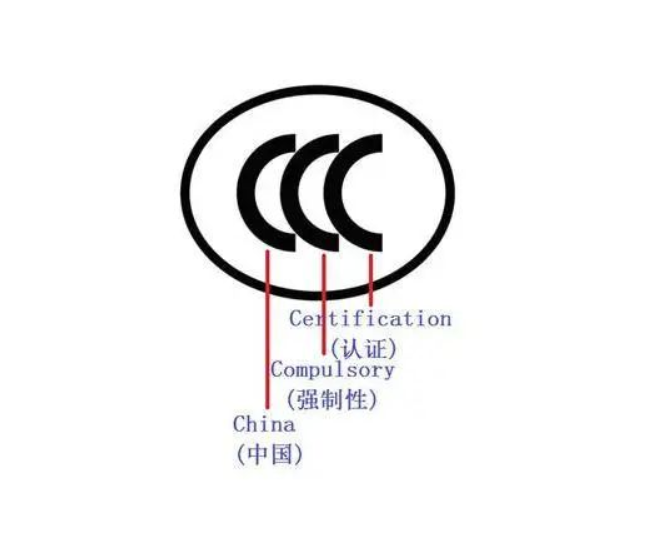
CCC Certification is a market access system formulated by the state for products involving personal safety and public safety. Integrating audio and video collection, wireless communication, power supply and transmission functions, 4G cameras are classified as security electronic products and officially included in the CCC compulsory certification catalog. 4G cameras without CCC Certification are strictly prohibited from production, sales, bidding, and online and offline sales.
Obtaining CCC Certification for 4G cameras is not only a rigid requirement to meet policy supervision, but also a core means for enterprises to control product quality. During the certification process, relevant authorities will conduct strict tests on multiple indicators of the product, including electrical safety, electromagnetic compatibility (EMC), signal transmission stability, battery life safety, and adaptability to high and low temperature environments, so as to eliminate various safety problems such as electric leakage, signal failure, picture lag and fire hazards from the source, and effectively protect the safety of end users.
For manufacturers and distributors, completing CCC Certification can greatly enhance product market competitiveness. Nowadays, the supervision of the security industry is becoming increasingly strict, and CCC Certification certificate is taken as the primary audit condition for entering e-commerce platforms, engineering project procurement, and government and enterprise bidding. Lack of certification qualifications will not only face risks such as product removal, market seizure and administrative penalties, but also directly lose a large number of business cooperation opportunities.
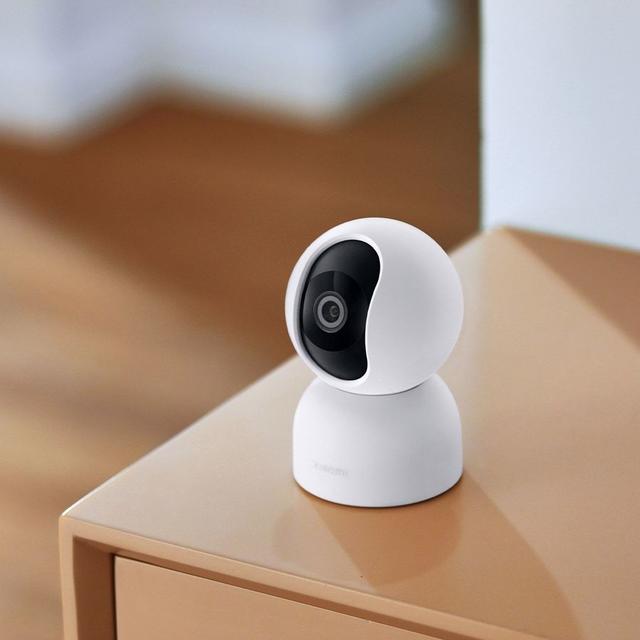
At the same time, there are a wide variety of 4G cameras, such as outdoor waterproof models, low-power battery life models, high-definition night vision models, etc., all of which need to be certified and filed separately in accordance with the standards of corresponding categories. During sample submission, enterprises must adjust product hardware configuration and program parameters in strict accordance with national standards to optimize the overall performance of products.
The standardized development of the industry is an irresistible trend. Only by taking the initiative to implement CCC compulsory certification, adhering to the bottom line of product quality and abiding by market supervision rules, can 4G camera-related enterprises stabilize market share, establish a good brand image, and achieve long-term and stable development in the smart security industry.